Breakfast often looks harmless until blood sugar says otherwise. A glass of juice, two slices of toast, a rushed commute, and by 11 am you are tired, hungry, and wondering why your energy has crashed. That is where meal planning for diabetes management becomes genuinely useful. It is not about eating bland food or following a rigid chart. It is about building meals that help keep blood glucose steadier, support weight goals, and fit the way you actually live.
For most people, diabetes management gets harder when every meal is decided in a hurry. You skip breakfast, overeat at lunch, snack through the afternoon, and then try to “be good” at dinner. The problem is not a lack of willpower. The problem is that unplanned eating usually leads to inconsistent carbohydrate intake, poor portion control, and long gaps that make cravings stronger.
Why meal planning for diabetes management works
A good meal plan reduces guesswork. It helps you spread carbohydrates more evenly through the day, pair them with protein and fibre, and avoid the cycle of spikes and crashes. That matters whether you are managing type 2 diabetes, prediabetes, insulin resistance, or trying to improve HbA1c alongside weight loss.
The biggest benefit is consistency. Blood sugar tends to respond better when meals happen at fairly regular times and include a balanced mix of foods. That does not mean every day must look identical. It means your body gets a more predictable pattern instead of extremes.
There is another advantage people often overlook. Planning meals in advance makes healthy choices easier on busy days. If your lunch is already sorted, you are less likely to rely on biscuits at the office, oversized takeaway portions, or random snacking between meetings.
What a balanced diabetes-friendly plate looks like
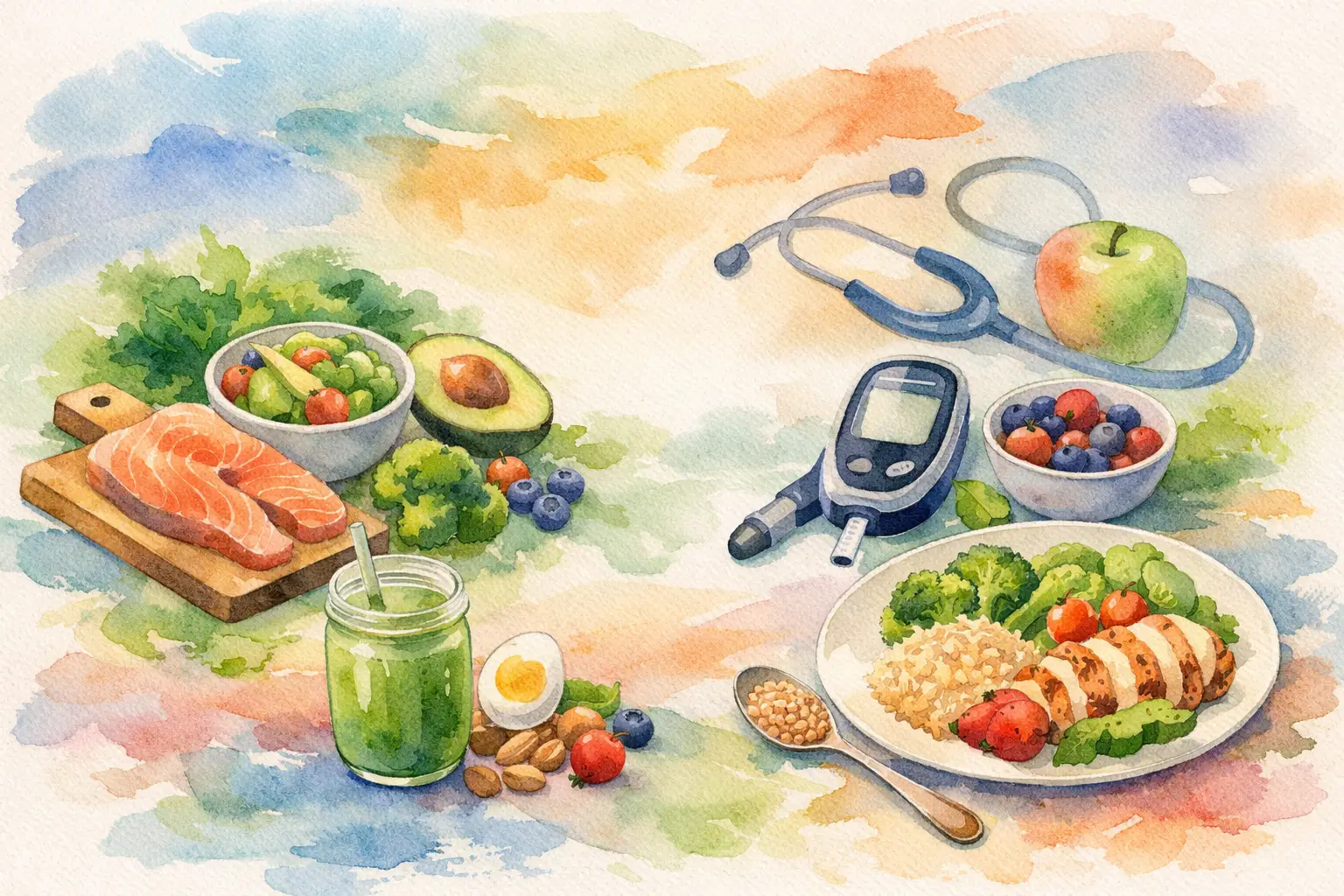
You do not need to count every crumb to eat well for diabetes. Many people do better with a simple visual structure. Half the plate can be non-starchy vegetables such as spinach, beans, cauliflower, bhindi, cucumber, tinda, carrots, or mixed salad. One quarter can be protein like eggs, paneer, curd, fish, chicken, tofu, dal, chana, or rajma. The remaining quarter can be smart carbohydrates such as roti, brown rice, millets, quinoa, oats, sweet potato, or fruit.
This approach works because it slows the meal down nutritionally. Fibre from vegetables, protein from the main dish, and measured portions of carbohydrates tend to support better satiety and steadier glucose response than a plate dominated by rice, naan, pasta, or potatoes.
Portion size still matters. Even healthier carbohydrates can raise blood sugar if quantities drift too high. That is why a personalised plan is often more effective than generic advice. Someone who is highly active may tolerate more carbohydrate than someone who sits most of the day and is trying to lose weight.
Start with your routine, not a perfect diet
The best meal planning for diabetes management starts with your diary. What time do you wake up? When do you commute? Do you eat lunch at your desk? Are evenings your weak spot? Do weekends undo your weekday progress? These details matter more than trendy diet rules.
If you leave home early, an elaborate breakfast may not be realistic. Overnight oats with seeds and unsweetened yoghurt could work better than promising yourself vegetable omelettes every morning and then skipping breakfast altogether. If late-night hunger is your pattern, your dinner may need more protein and fibre rather than more restriction during the day.
This is where sustainable nutrition wins. A plan only works if it survives real life.
Building your day meal by meal
Breakfast
Aim for a breakfast that combines protein, fibre, and controlled carbohydrates. Good examples include vegetable besan chilla with curd, eggs with multigrain toast and salad, or oats cooked with milk and seeds plus a handful of nuts. A breakfast built mainly around refined carbohydrates, such as white bread with jam or sugary cereal, often leads to a quick rise and then a drop in energy.
Lunch
Lunch should be satisfying enough to prevent afternoon grazing. A practical plate might include 2 small rotis with sabzi and dal, grilled chicken with sautéed vegetables and a small portion of rice, or a bowl meal with quinoa, paneer, salad, and sprouts. If you work long hours, carry lunch whenever possible. Office canteens and delivery apps tend to make portion control harder.
Evening snack
Snacks are not compulsory, but they can be useful if there is a long gap between meals. The right snack prevents the kind of hunger that leads to overeating later. Try roasted chana, nuts, buttermilk, boiled eggs, Greek yoghurt, or apple slices with peanut butter. Tea-time snacks become a problem when they are treated as a second mini-meal of biscuits, namkeen, and sweetened drinks.
Dinner
Dinner works best when it is balanced but lighter than the heaviest meal of the day. Grilled fish with vegetables, dal with stir-fried greens and one roti, or tofu with mixed vegetables and a modest serving of millet can all work well. A very low-carb dinner is not necessary for everyone, but a very high-carb dinner can be difficult if you are less active in the evening.
Carbohydrates are not the enemy
One of the most common mistakes in diabetes nutrition is cutting carbohydrates too aggressively and then struggling to maintain the plan. Carbohydrates are not automatically bad. The type, quantity, timing, and the foods eaten alongside them all matter.
Whole grains, pulses, fruit, and starchy vegetables can fit into a diabetes meal plan. The better question is how they are used. A bowl of fruit on its own may affect blood sugar differently from fruit paired with nuts or yoghurt. Three large rotis with very little protein is different from two smaller rotis with dal, sabzi, and salad.
This is also why “diabetic foods” are often overrated. Products marketed as sugar-free or diabetic-friendly can still be high in calories, unhealthy fats, or total carbohydrate. Food labels deserve a closer look than the front-of-pack claims.
Smart swaps that make a real difference
You do not need to replace every favourite food. Small upgrades done consistently often deliver better results than dramatic changes that last a week. Choose whole fruit instead of juice. Use curd, nuts, or chana instead of biscuits for a snack. Shift from oversized rice portions to measured servings with extra vegetables. Replace sweetened beverages with water, chaas, or unsweetened tea.
When eating Indian meals, think balance instead of avoidance. If you want rice, keep the portion sensible and add dal, sabzi, and salad. If you are having paratha, avoid turning the meal into paratha plus potato filling plus sweet tea. The meal as a whole matters.
Meal planning for diabetes management when life gets busy
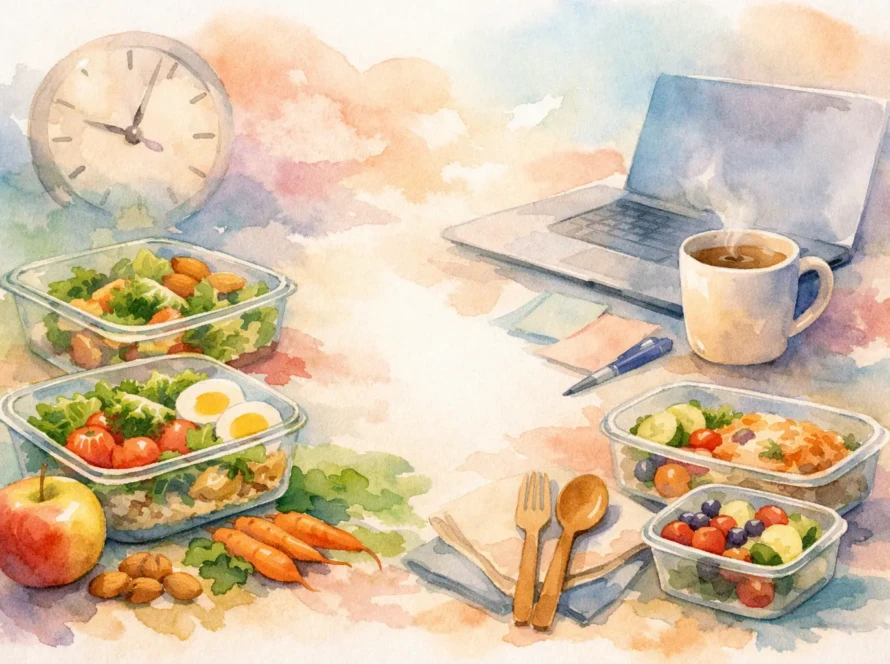
Busy professionals often assume they need more discipline, when what they actually need is more preparation. Planning two breakfasts, two lunches, and two snacks that you can repeat through the week is often enough. Variety is nice, but consistency is what gets results.
Batch cooking helps. Chop vegetables in advance, boil eggs, cook dal for two days, marinate proteins, and keep easy staples like curd, nuts, sprouts, and fruit at home or work. If travel or meetings affect your routine, carry a backup snack. Long gaps without food can backfire, especially if you then reach for the quickest high-carb option available.
Eating out does not have to derail progress either. Prioritise grilled, tandoori, sautéed, or lightly cooked dishes. Order balanced meals rather than several carbohydrate-heavy sides. Share desserts if you want them. Diabetes management should include flexibility, not fear.
When your plan needs personalisation
General advice is useful, but diabetes is not one-size-fits-all. Medication timing, activity levels, sleep, stress, PCOS, thyroid concerns, weight goals, pregnancy, and digestive issues can all affect what works best. Someone taking insulin may need a different meal structure from someone managing prediabetes through lifestyle change alone.
That is why personalised guidance can make such a difference. At LivFit Today, the focus is not on starvation diets or unrealistic food rules. It is on building a practical plan around your routine, preferences, health history, and measurable outcomes.
You should also know when to review your plan. Frequent hunger, post-meal sleepiness, erratic glucose readings, evening cravings, or poor adherence are signs that your meal structure may need adjusting. A good plan should challenge old habits, but it should still feel doable.
The goal is steady progress, not perfect eating
Some days will not go to plan. There will be work lunches, family dinners, festivals, travel, and moments when convenience wins. One meal does not ruin your progress, just as one healthy meal does not fix everything. What matters most is your usual pattern.
If you are managing diabetes, your meals should help you feel more in control, not more overwhelmed. Start with simple structure, repeat what works, and make changes you can actually keep. The right plan is not the strictest one. It is the one you can follow long enough to see your energy improve, your habits settle, and your health markers move in the right direction.