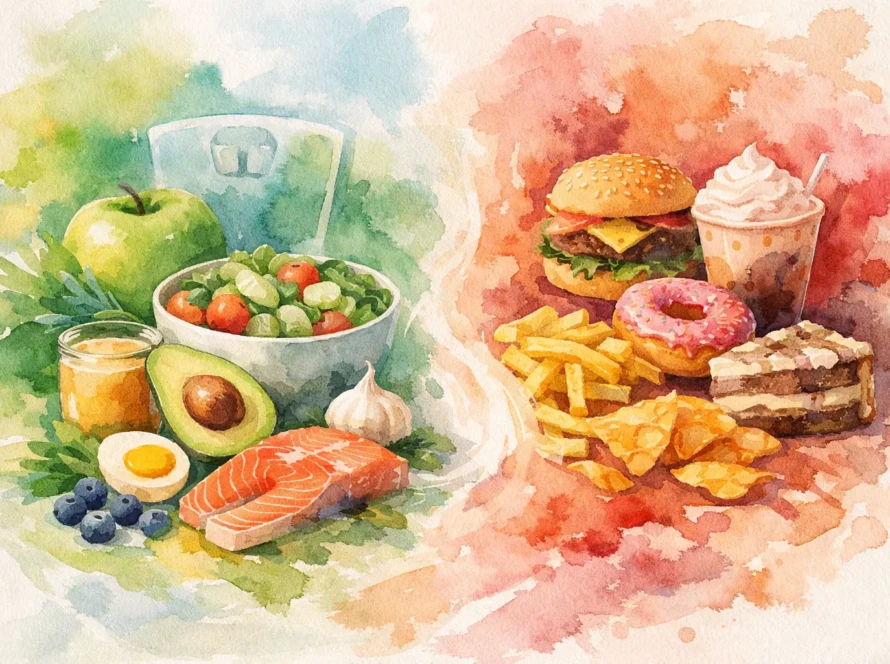
Most people do not fail at eating well because they lack willpower. They fail because they are following a plan that was never built for their body, routine, tastes or health needs in the first place. That is exactly why a personalised nutrition plan guide matters. When your food plan reflects your real life, healthy eating becomes far easier to follow and far more likely to deliver visible results.
A personalised approach is not about making food complicated. It is about making it relevant. If you are a working professional skipping breakfast and overeating late at night, your plan should look different from that of a new mother, a marathon runner, or someone managing diabetes or thyroid concerns. The best nutrition strategy is not the strictest one. It is the one you can sustain while still improving energy, body composition, digestion, fitness and long-term health.
What a personalised nutrition plan guide should actually do
A proper personalised nutrition plan guide should do more than hand you a list of foods to eat and avoid. It should help you understand why certain choices work better for you, how to structure meals around your schedule, and where your habits may be slowing your progress.
That means looking at more than calories. Your age, activity level, sleep, stress, medical history, digestion, food preferences, cultural eating patterns and health goals all matter. Someone trying to lose weight may need portion guidance and better hunger control. Someone with PCOS may need more attention to meal timing, protein and refined carbohydrate intake. Someone focused on muscle gain may need a very different balance.
This is where many generic diets go wrong. They promise fast outcomes, but they flatten everyone into the same template. The result is often short-term effort, followed by frustration, cravings, social disruption and rebound weight gain.
Why generic meal plans often stop working
A standard diet chart can look neat on paper, but real life is messier. Meetings run late. Children want different meals. Travel disrupts routines. Festivals, eating out and emotional stress all affect food decisions. If a plan cannot survive these situations, it is not a practical plan.
Generic plans also tend to ignore preference and appetite. If you dislike the foods listed, or if the portions leave you hungry, compliance drops quickly. If your medical condition is not considered, the plan may be ineffective or even counterproductive. The trade-off is simple – the more rigid a plan is, the harder it can be to maintain. Structure helps, but only when it leaves room for real life.
That is why personalised nutrition tends to deliver better long-term results. It works with your routine rather than against it.
How to build a personalised nutrition plan
The strongest plans begin with clarity. Before changing your meals, you need to know what you are solving for. Weight loss, better blood sugar control, improved stamina, healthier pregnancy weight gain, child nutrition support and digestive comfort all require different priorities.
Start with your goal, but define it properly
Saying you want to be healthier is a good intention, but it is too vague to guide daily decisions. A useful goal sounds more like this: lose 5 kg while improving energy, reduce evening binge eating, manage cholesterol, support gym performance, or build better family eating habits.
Once the goal is specific, your nutrition choices become easier to shape. For example, fat loss may involve improving protein intake, reducing liquid calories and creating more meal consistency. Better athletic performance may require smarter fuelling before and after training. A pregnancy plan may focus more on nutrient density, safety, hydration and managing nausea or appetite changes.
Assess your current routine honestly
This is the stage people often skip. They jump to cutting food without examining patterns. A better approach is to look at when you eat, what triggers overeating, how often you eat out, whether you snack mindlessly, and how weekends differ from weekdays.
There is no value in pretending you enjoy elaborate home-cooked meals if your workday keeps you out for 12 hours. Your nutrition plan should fit your actual lifestyle. If convenience matters, the plan should include practical breakfasts, office-friendly lunches and realistic snacks. If social meals are frequent, the strategy should teach balance rather than avoidance.
Match meals to your body and health needs
This is where true personalisation starts. Protein needs vary. Carbohydrate tolerance varies. Medical conditions change what matters most. Someone with insulin resistance may benefit from a different meal structure than someone training intensely five days a week.
It also depends on symptoms. If bloating is a concern, food quality, fibre intake, hydration and meal pace may need attention. If fatigue is persistent, under-eating, irregular meals or low iron intake might be relevant. If progress has stalled despite effort, portion sizes, hidden snacking or unrealistic calorie targets may be part of the picture.
A good plan does not chase trends. It responds to evidence from your own body and behaviour.
The key parts of a personalised nutrition plan guide
Most effective plans include the same core foundations, but the details differ from person to person.
First, meal balance matters. Most people do better when meals contain a solid source of protein, sensible carbohydrate portions, fibre-rich vegetables or fruit, and healthy fats in moderation. This combination supports fullness, steadier energy and better control over cravings.
Second, timing matters, but not in a one-size-fits-all way. Some people thrive with three structured meals. Others manage hunger better with one or two planned snacks. The right schedule depends on work hours, activity and appetite pattern.
Third, sustainability matters more than intensity. If your plan removes every food you enjoy, you may lose weight briefly, but you are unlikely to keep the result. Better plans teach portion control, frequency and flexibility. Enjoying a dessert occasionally is not the problem. Having no structure around it usually is.
Fourth, progress tracking matters. Weight is one marker, but not the only one. Energy, sleep, digestion, strength, measurements, fitness performance, blood reports and consistency all count. Sometimes the scale moves slowly while health markers improve well. That does not mean the plan is failing.
A personalised nutrition plan guide for busy urban lifestyles
For many adults in Delhi, Mumbai and Bangalore, the challenge is not lack of information. It is overload. There are too many diet rules, too many social media claims and too little guidance that fits office hours, commutes, family responsibilities and eating out.
That is where realistic nutrition support becomes valuable. If you leave home early, breakfast cannot depend on an hour in the kitchen. If you travel for work, your plan should account for restaurant meals. If late-night hunger is a pattern, dinner composition and evening routine need attention. If stress eating is your weak point, the answer is not simply more discipline. It may be better meal spacing, improved sleep, and strategies that reduce impulsive choices.
This practical angle is what turns advice into results. At LivFit Today, that is the focus – not starvation, not trend diets, but structured plans built around real people and maintainable habits.
When professional guidance makes the biggest difference
Some people can improve a lot by making a few basic changes. Others need more precise guidance. If you have repeated cycles of losing and regaining weight, emotional eating, health conditions, pregnancy-related nutrition needs, children with fussy eating patterns, or performance goals in sport and fitness, expert support can save time and reduce guesswork.
Professional nutrition guidance is especially useful when your case has layers. For example, trying to lose weight while managing hypothyroidism and a demanding work schedule is not the same as trying to cut back on takeaways after university. Both deserve support, but the level of planning differs.
There is also accountability. Many people know what to do in theory. The difficult part is applying it consistently, adjusting when progress slows, and staying on track during stressful periods. Personalised guidance helps bridge that gap.
What results should you realistically expect?
A good nutrition plan can improve body weight, energy, relationship with food, health markers and confidence. But the timeline depends on your starting point, consistency, sleep, stress, movement, hormones and medical history. Fast results are possible in some cases, but they should never come at the cost of health or sustainability.
The healthiest expectation is steady progress. That could mean visible fat loss over a few months, better blood sugar control in several weeks, stronger workout recovery, fewer cravings, or more predictable eating habits. The right result is not only what changes on the outside. It is also what becomes easier to maintain.
If you are looking for a plan that finally makes sense for your schedule, your preferences and your health goals, start by rejecting the idea that stricter always means better. The right food plan should feel supportive, not punishing. When nutrition is personalised, balanced and realistic, progress stops feeling like a fight and starts feeling like something you can actually keep.