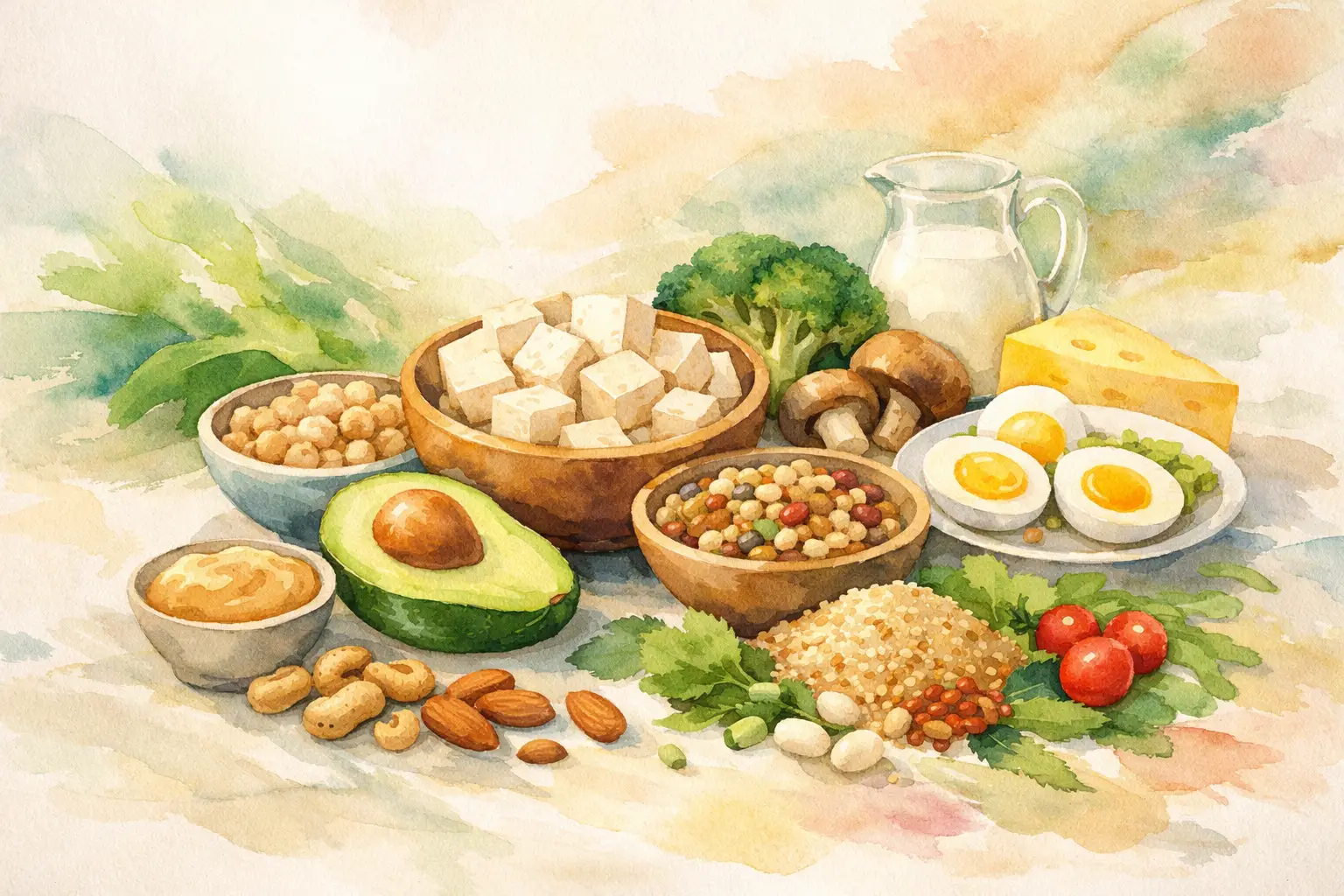
A vegetarian meal can look healthy and still leave you hungry by 4 pm. This is especially common when breakfast is mostly toast or poha, lunch is rice-heavy, and dinner has only a small serving of dal. Choosing the best protein foods for vegetarians helps make meals more satisfying, supports muscle maintenance, and can make weight management feel far less restrictive.
Protein is not reserved for people who spend hours in the gym. It is needed every day for muscles, recovery, immunity, healthy skin and hair, and keeping you fuller between meals. The practical goal is not to chase one ‘superfood’. It is to include a worthwhile protein source at each meal, in portions that suit your body, appetite, activity level and health needs.
Why vegetarians often fall short on protein
Many traditional vegetarian foods contain some protein, but the amount can be modest unless the portion is planned. A bowl of vegetables, roti and rice may be nourishing, but it will not necessarily provide enough protein on its own. The issue is usually not vegetarian eating itself. It is relying too heavily on refined carbohydrates, tiny portions of pulses, or snacks that are filling for a moment but low in nutrition.
Your protein requirement depends on factors such as age, body weight, fitness routine, pregnancy, recovery from illness and your health goal. Someone trying to lose fat while preserving muscle, for example, may need a different approach from a child, an older adult, or a person with kidney disease. This is why a personalised plan is more useful than copying a high-protein diet from social media.
12 best protein foods for vegetarians
The foods below are versatile, familiar and easy to work into Indian meals. Protein figures are approximate because brands, recipes and serving sizes vary.
1. Paneer
Paneer is a convenient source of protein, with roughly 18 grams in a 100-gram serving. It works well in bhurji, grilled tikka, wraps and mixed vegetable curries. Choose the portion carefully if weight loss or cholesterol management is a priority, as paneer can also be high in saturated fat. Lower-fat paneer or a smaller serving paired with plenty of vegetables can be a good fit.
2. Greek yoghurt and hung curd
Thick yoghurt provides more protein than regular curd, often around 8 to 10 grams per 100 grams. Use it as a savoury dip, a breakfast bowl with fruit and seeds, or a cooling side with lunch. Unsweetened varieties are usually the better everyday choice, as flavoured pots may contain more added sugar than expected.
3. Milk and soya milk
A glass of dairy milk offers around 7 to 8 grams of protein. Fortified soya milk can provide a similar amount and is one of the stronger plant-based alternatives. Add it to porridge, a smoothie or a post-workout meal, rather than assuming tea or coffee with a small splash of milk will make a meaningful difference.
4. Eggs, for ovo-vegetarians
Eggs are affordable, quick and contain high-quality protein. Two eggs provide roughly 12 to 13 grams. An omelette with vegetables, egg bhurji with roti, or boiled eggs alongside fruit makes a practical breakfast for busy working mornings. If you do not eat eggs, there are plenty of equally useful options below.
5. Tofu
Tofu is made from soya and usually provides about 12 to 15 grams of protein per 150-gram serving. Its mild flavour makes it easy to add to stir-fries, curries, sandwiches and pulao. Firm tofu is especially useful when you want a paneer-style texture with less saturated fat.
6. Soya chunks and soya granules
Soya chunks are one of the most protein-dense vegetarian staples available. A cooked serving can contribute 15 grams or more, depending on the quantity used. Add them to keema-style dishes, pulao, curries or stuffed parathas. If soya does not suit your digestion, start with a small amount and increase gradually rather than forcing a large portion at once.
7. Dal and lentils
Moong, masoor, toor and urad dal are everyday foods worth treating as a main part of the meal, not just a thin side dish. One cooked cup generally provides around 12 to 18 grams of protein. A thicker dal, dal chilla, khichdi made with a generous dal ratio, or a lentil soup can all help you reach your target more comfortably.
8. Chickpeas, rajma and other beans
Chana, rajma, lobia and black beans provide protein as well as fibre, which supports fullness and digestive health. A cooked cup often offers about 13 to 15 grams of protein. Combine them with salad, vegetables and a sensible portion of rice or roti. For some people, large portions can cause bloating, so soaking well, cooking thoroughly and building up intake can help.
9. Moong sprouts
Sprouts add crunch, fibre and a modest protein boost to meals. They are useful in chaat, salads, cheela batter or as part of a breakfast bowl, but they should not be your only protein source if you have higher requirements. Pair them with curd, paneer, tofu or dal for a more substantial meal. Cooked sprouts may be a safer and more comfortable choice during pregnancy or for those with sensitive digestion.
10. Besan and sattu
Besan chilla and sattu are practical choices when you need something quick but more sustaining than cereal or biscuits. Besan contains roughly 6 grams of protein in a quarter-cup dry serving, while sattu can be used in a savoury drink, stuffed roti or breakfast bowl. Add vegetables and curd or tofu to turn them into a complete, satisfying meal.
11. Peanuts, nuts and seeds
Peanuts, almonds, pumpkin seeds and chia seeds contribute protein, healthy fats and minerals. They are valuable additions, but their calories rise quickly, so handfuls matter more than packets. A tablespoon of seeds over yoghurt or a small handful of roasted chana and peanuts is usually more balanced than grazing on nuts throughout the day.
12. Quinoa and whole grains
Quinoa contains more protein than many grains and can be useful in salads, pulao or bowls. Oats, whole wheat, millet and brown rice contribute some protein too, but they work best as supporting foods rather than the main source. Think of grains as the base of the plate, with dal, dairy, eggs, tofu or beans doing the heavier protein work.
How to build a higher-protein vegetarian day
Start with breakfast. A vegetable poha alone may leave you searching for snacks later, while poha with peanuts and a bowl of curd is more balanced. Idli can be paired with a generous bowl of sambar, and toast can be topped with paneer bhurji, egg or hummus. Small changes are often easier to maintain than replacing every familiar food.
At lunch and dinner, use a simple plate approach: include one clear protein source, plenty of vegetables, and a portion of carbohydrates that matches your activity and goal. For example, rajma with salad and rice, tofu sabzi with roti, or dal with vegetables and curd can all work well. If you train regularly, a protein-rich snack such as Greek yoghurt, milk, roasted chana, tofu, or a planned protein supplement may support recovery.
You do not need to combine every plant protein perfectly in one meal. Eating a varied diet across the day usually provides the range of amino acids your body needs. What matters more is regularity, adequate overall food intake and choosing foods you can enjoy consistently.
When extra care is needed
For diabetes, PCOS, thyroid concerns, high cholesterol, pregnancy, kidney disease or digestive conditions, the right protein choice and portion can vary. A large bowl of rajma may be excellent for one person and unsuitable for another with kidney restrictions or severe bloating. Similarly, protein powders can be convenient, but they are not automatically necessary and should not replace balanced meals.
At LivFit Today, we focus on food plans that fit real schedules, family meals and medical needs, rather than asking you to survive on bland, restrictive diets. The most effective vegetarian protein plan is the one you can repeat on an ordinary Tuesday, not just for one motivated week.
Choose two or three protein foods you already enjoy, plan where they will appear in your day, and build from there. Consistent, well-balanced meals can support meaningful progress without giving up the foods and routines that make life enjoyable.