A child who skips breakfast, eats little at school and arrives home ravenous is not being “fussy” for the sake of it. They may simply be running low on fuel. When parents ask what should kids eat daily, the most helpful answer is not a rigid diet chart. It is a reliable rhythm of balanced meals and snacks that supports growth, concentration, play, sleep and a healthy relationship with food.
Children do not need perfect eating at every meal. They need variety over the course of a week, familiar foods on the table, and enough nourishment to match their age, appetite and activity. A five-year-old, a growing teenager and a child training for sport will not need the same portions – but the building blocks are similar.
What should kids eat daily for healthy growth?
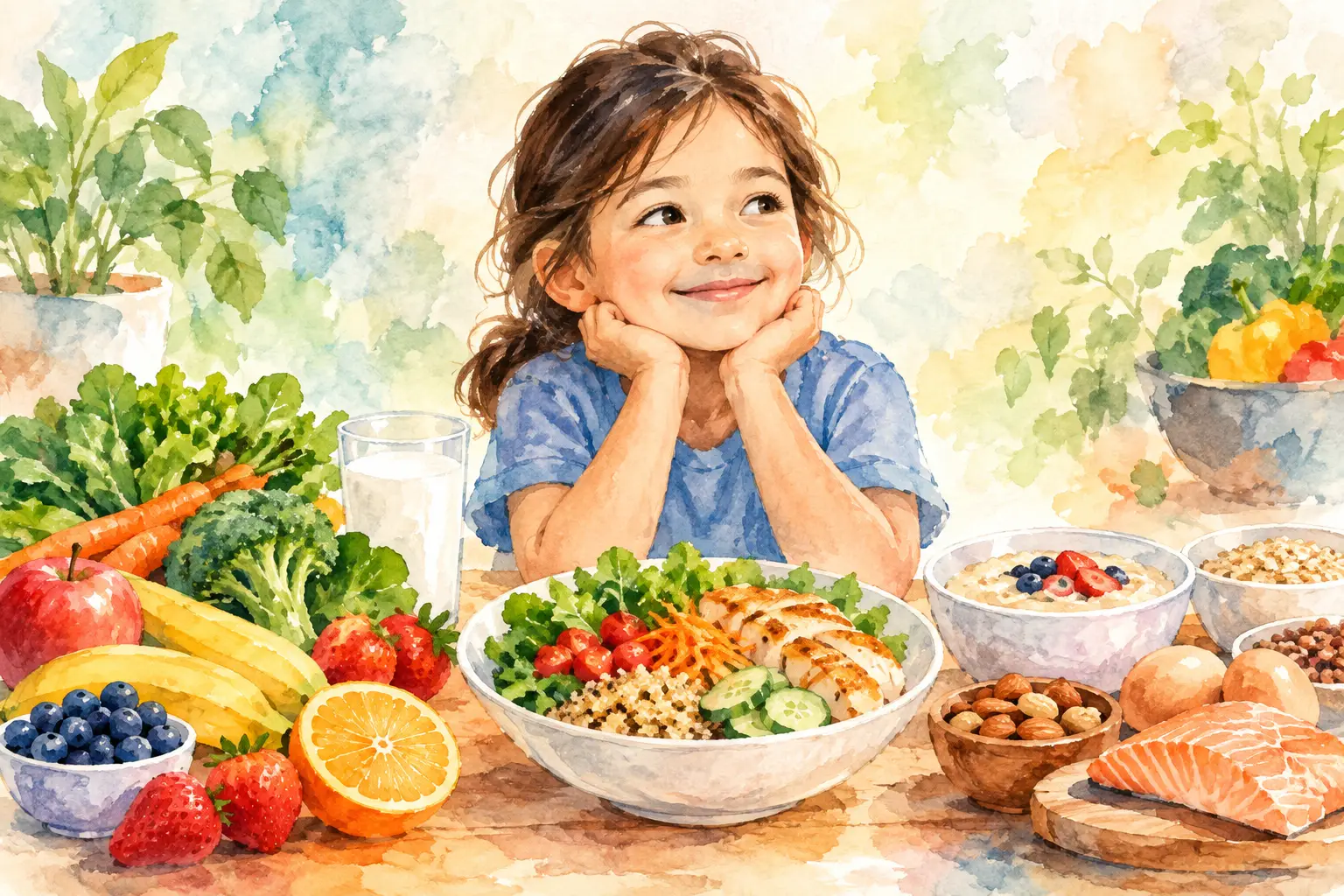
Aim to include foods from each major food group through the day: wholegrains and starchy foods for energy, protein-rich foods for growth, fruit and vegetables for vitamins and fibre, dairy or suitable alternatives for calcium, and healthy fats for brain development and fullness.
Rather than labelling foods as “good” or “bad”, think about what each meal contributes. A bowl of poha with peas and peanuts, a vegetable omelette with roti, or porridge topped with fruit and seeds all provide more sustained energy than a biscuit and a sugary drink. That does not mean children can never enjoy a birthday cake or crisps. It means everyday meals should do the heavier nutritional work.
Start the day with a proper breakfast
Breakfast can make the morning calmer, especially for school-age children who have a long gap before lunch. Pair a source of carbohydrate with protein and, where possible, fruit or vegetables. Idli with sambar, wholegrain toast with egg, besan chilla with yoghurt, vegetable upma, or oats with milk and banana are practical options.
If mornings are rushed, keep it simple. A banana, a small cheese sandwich and milk is still more useful than sending a child out with nothing. For children who genuinely cannot eat early, a nutritious mid-morning snack packed for school may work better than forcing a large breakfast.
Build lunches around energy, protein and colour
A packed lunch or home lunch does not need to look complicated. Start with a filling base such as roti, rice, pasta, potatoes, millet, bread or noodles. Add protein – dal, beans, chickpeas, paneer, egg, chicken, fish, tofu or yoghurt – then include a vegetable and fruit where practical.
For example, a lunchbox could contain vegetable pulao with raita and orange segments. Another day, it might be wholewheat wraps with chicken or paneer, cucumber sticks and a pear. The goal is not a picture-perfect lunchbox. It is food your child will eat, that keeps them satisfied through lessons, games and the journey home.
Include protein at meals and snacks
Protein supports growth and helps children stay full between meals. It is especially useful at breakfast and after school, when many children reach straight for packaged snacks because they are very hungry.
Easy choices include milk, yoghurt, paneer, cheese, eggs, dals, beans, chana, peanuts or nut butter where age-appropriate, fish, chicken and tofu. For vegetarian families, regular rotation matters. Dal is valuable, but combining it across the day with dairy, beans, soy foods, nuts and seeds can improve variety.
Be mindful of choking risk in younger children. Whole nuts, hard raw vegetables, grapes and popcorn may need preparation or supervision depending on age and eating ability. If your child has an allergy, dietary restriction or poor growth, individual advice is safer than general substitutions.
A realistic daily eating rhythm for children
Most children do well with three meals and one or two planned snacks. The exact schedule depends on school timings, bedtime, sports and appetite. Grazing all afternoon can make dinner difficult, while long gaps often lead to intense hunger and arguments around food.
An after-school snack is often the missing link. Offer something substantial enough to bridge the gap to dinner: fruit with yoghurt, roasted chana and a banana, a small paneer sandwich, homemade popcorn for older children, boiled corn, or milk with a vegetable paratha. Biscuits and juice can fit occasionally, but they rarely keep a child full for long.
Water should be the main drink between meals. Milk can be a useful source of protein and calcium for many children, but it should not replace regular meals. Fizzy drinks, sweetened juices, flavoured milks and frequent energy drinks can add a lot of sugar without much fullness. Whole fruit is generally a better everyday choice than juice because it provides fibre and encourages chewing.
Fruit, vegetables and fibre without food battles
Many parents worry because their child will only eat a few vegetables. This is common, and pressure usually makes it worse. Serve a small amount of a less familiar food beside at least one food your child reliably enjoys. Repeated, relaxed exposure matters more than demanding one more bite.
Vegetables can appear in curries, dal, omelettes, sandwiches, pasta sauces, soups and parathas, but avoid feeling that they must always be hidden. Children also learn by seeing and recognising foods. Let them choose a vegetable at the market, rinse berries, stir peas into rice or help assemble their own wrap. Involvement can gradually reduce resistance.
Fruit is often easier. Keep accessible options at home such as bananas, apples, pears, oranges, melon, berries or seasonal fruit. Variety is helpful, but expensive or exotic choices are not required. A guava, banana or orange is just as valuable as a more fashionable option.
How much should a child eat?
Portion size is where parents often become anxious, particularly when comparing siblings or classmates. Children’s appetites naturally vary from day to day. Growth spurts, activity, illness, weather and sleep can all affect how much they eat.
A sensible starting point is to let the adult decide what food is offered and when, while allowing the child to decide whether and how much to eat from those options. Serve child-sized portions, then offer more if they are still hungry. Avoid insisting they finish everything on the plate, but do keep regular meal times so they learn to recognise hunger and fullness.
If a child is energetic, growing along their usual pattern and generally well, a fluctuating appetite is not automatically a problem. Seek professional support if they are losing weight unexpectedly, avoiding whole food groups, struggling with chewing or swallowing, frequently exhausted, experiencing digestive symptoms, or if mealtimes are becoming very stressful.
Common daily habits that make healthy eating easier
Healthy eating is not only about the food itself. It is also shaped by routine. Eating at a table when possible, keeping screens away for at least some family meals, and avoiding using sweets as a reward can help children notice appetite and enjoy food without pressure.
Parents set the tone more than they realise. If adults regularly skip meals, talk negatively about their bodies or describe everyday foods as “naughty”, children absorb those messages. A calmer approach is to speak about food in practical terms: this will help you feel ready for football, this yoghurt helps build strong bones, or let us add something colourful to lunch.
For busy families, planning only a few dependable meals is enough. Keep staples such as eggs, yoghurt, milk, frozen vegetables, fruit, dal, wholegrain bread, rice and beans available. A balanced meal does not have to be freshly made from scratch every evening.
Children’s nutrition should support their real lives, not create more stress around the dinner table. Start with one steady change this week – perhaps a protein-rich breakfast or a more filling after-school snack – and build from there. Small, repeatable habits give children far more than a temporary “healthy eating” phase: they give them confidence around food for years to come.