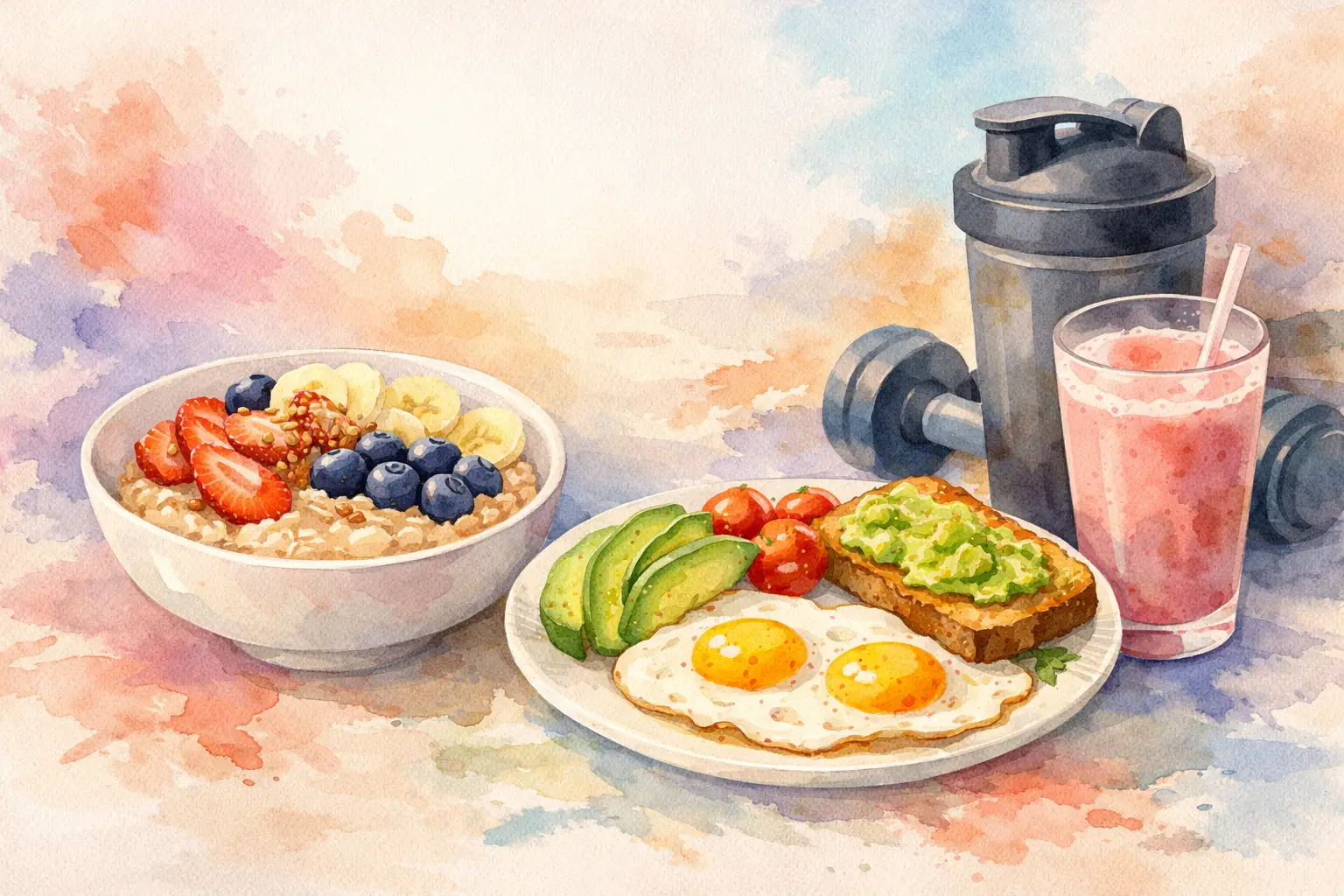
A hard gym session after a rushed workday can feel very different depending on what you ate beforehand. Train on an empty stomach when you are genuinely hungry and energy may fade early. Eat a heavy, spicy meal too close to exercise and discomfort can take over. The best pre workout meal ideas sit in the practical middle: enough fuel to support your session, without leaving you sluggish.
For most people, a pre-workout meal does not need expensive powders or a complicated recipe. It needs the right balance of carbohydrates, protein, timing and portion size for your body, training style and daily routine. That is how nutrition becomes a habit you can maintain, rather than another restrictive rule.
What should a pre-workout meal do?
Your body primarily uses carbohydrate stored as glycogen to fuel moderate to high-intensity exercise. Having some carbohydrate before training can help you feel more energised, sustain your effort and avoid the mid-session dip that makes you cut a workout short.
Protein has a different role. A modest amount before training supports muscle repair and can help you meet your total daily protein needs. Fat and fibre are not unhealthy, but both slow digestion. When eaten close to a workout, a high-fat or very high-fibre meal may cause bloating, reflux or a heavy feeling, particularly before running, HIIT or leg training.
The right choice depends on your goal. Someone lifting weights for muscle gain may benefit from a balanced snack with carbohydrate and protein. Someone doing a short morning walk may feel perfectly well with a lighter option. If weight loss is your aim, do not assume you must train hungry. Sustainable fat loss comes from your overall eating pattern, not from forcing uncomfortable workouts with low energy.
Best pre workout meal ideas by timing
Timing matters as much as the food itself. The closer you are to your session, the simpler and lower-volume your meal should be.
If you have two to three hours
This is the best window for a proper, balanced meal. Include a clear carbohydrate source, lean protein and vegetables, while keeping oil and very rich sauces moderate. A bowl of rice with dal, vegetables and curd is a reliable option. So is two chapatis with paneer bhurji or grilled chicken and cooked vegetables.
Oats cooked with milk, topped with banana and a spoonful of peanut butter, can work well before an evening workout if it suits your digestion. For a non-vegetarian choice, an egg sandwich on wholemeal bread with a piece of fruit is simple, filling and easy to prepare before leaving for work.
At this distance from training, fibre is generally less of a concern. Still, if you know that rajma, chole, cauliflower or large salads leave you bloated, choose easier-to-digest foods on training days. A meal can be nutritious and still be the wrong choice immediately before exercise.
If you have 60 to 90 minutes
Choose a smaller meal that is carbohydrate-led with some protein. A banana with Greek yoghurt or thick curd is a convenient option. You could also have a peanut butter and banana sandwich, poha with a side of curd, or a small bowl of dahi with fruit and a few oats.
For strength training, a milk-based smoothie with banana and oats may be useful when chewing a meal feels difficult. Keep it simple. Adding large amounts of nuts, seeds, cream or multiple scoops of supplements can turn a light snack into a slow-digesting meal.
If you are managing blood sugar concerns, pair fruit or bread with protein rather than having a large serving of sugary food alone. The portion and timing should be personalised, especially if you use diabetes medication.
If you only have 15 to 45 minutes
Fast-digesting carbohydrate is usually the priority here. A banana, a few dates, a slice of toast with honey, or a small banana smoothie can provide quick energy without sitting heavily in the stomach. If tolerated, a small yoghurt drink or a half portion of whey protein alongside fruit can add protein, but there is no need to force it before every short session.
This is not the time for a large bowl of oats, a fried breakfast or a rich takeaway meal. If your workout is less than an hour and you had a balanced meal earlier, a small snack may be all you need.
Practical meals for real working days
The most effective plan is the one you can follow on a busy Tuesday, not only on a perfectly organised weekend. Keep a few dependable foods at home or at work so that hunger does not push you towards random snacking before the gym.
Try these options when you need variety:
- Banana with curd or Greek yoghurt
- Poha with peanuts and a small bowl of curd
- Two boiled eggs with toast and fruit
- Paneer or chicken wrap with a light filling
- Oats with milk and sliced banana
- Rice, dal and cooked vegetables when training later in the day
- A fruit smoothie made with milk or yoghurt
Portion size matters. A person training after work may need a more substantial snack than someone doing gentle yoga at home. Equally, a large meal that works before a heavy strength session may not suit a spin class or a run. Use your performance and digestive comfort as feedback.
Should you work out on an empty stomach?
Some people prefer early morning training before breakfast, and for low-intensity exercise, that may feel fine. It is not automatically harmful or automatically better for fat loss. The key question is whether you can train well, recover properly and avoid compensating later with intense hunger.
If fasted training leaves you dizzy, weak, irritable or unable to complete your planned session, have something small first. Half a banana, a date or a few sips of a milk smoothie may make a noticeable difference. For demanding strength sessions, long cardio, pregnancy fitness, or anyone with diabetes, thyroid concerns or a medical condition, individual guidance is especially valuable.
Do not forget hydration and recovery
Food cannot compensate for arriving dehydrated. Sip water through the day rather than trying to drink a large amount just before exercise. If you sweat heavily, train outdoors in warm weather or complete long sessions, you may also need electrolytes. For most ordinary gym workouts, water and regular balanced meals are enough.
After training, aim for a meal or snack containing protein and carbohydrate within the next few hours. This does not need to be immediate or perfect. A home-cooked dinner with dal, paneer, fish, chicken or eggs alongside rice or chapati is an excellent recovery meal. The wider pattern matters more than chasing a narrow post-workout window.
How to find the meal that suits you
The best pre workout meal ideas are not universal because digestion, appetite, medication, menstrual cycle, training intensity and goals all influence what works. Start with one simple option for a week and notice your energy, focus, stomach comfort and hunger afterwards. Then adjust the timing or portion before changing everything at once.
If you repeatedly feel exhausted in workouts, struggle with emotional eating after the gym, or are trying to balance fitness with weight management or a health condition, a personalised plan can remove much of the guesswork. LivFit focuses on practical nutrition that fits your routine, food preferences and health goals.
Your pre-workout meal should leave you ready to move, not worried about rules. Choose food that feels familiar, fuel your body consistently and let each training session build confidence in what you can do.