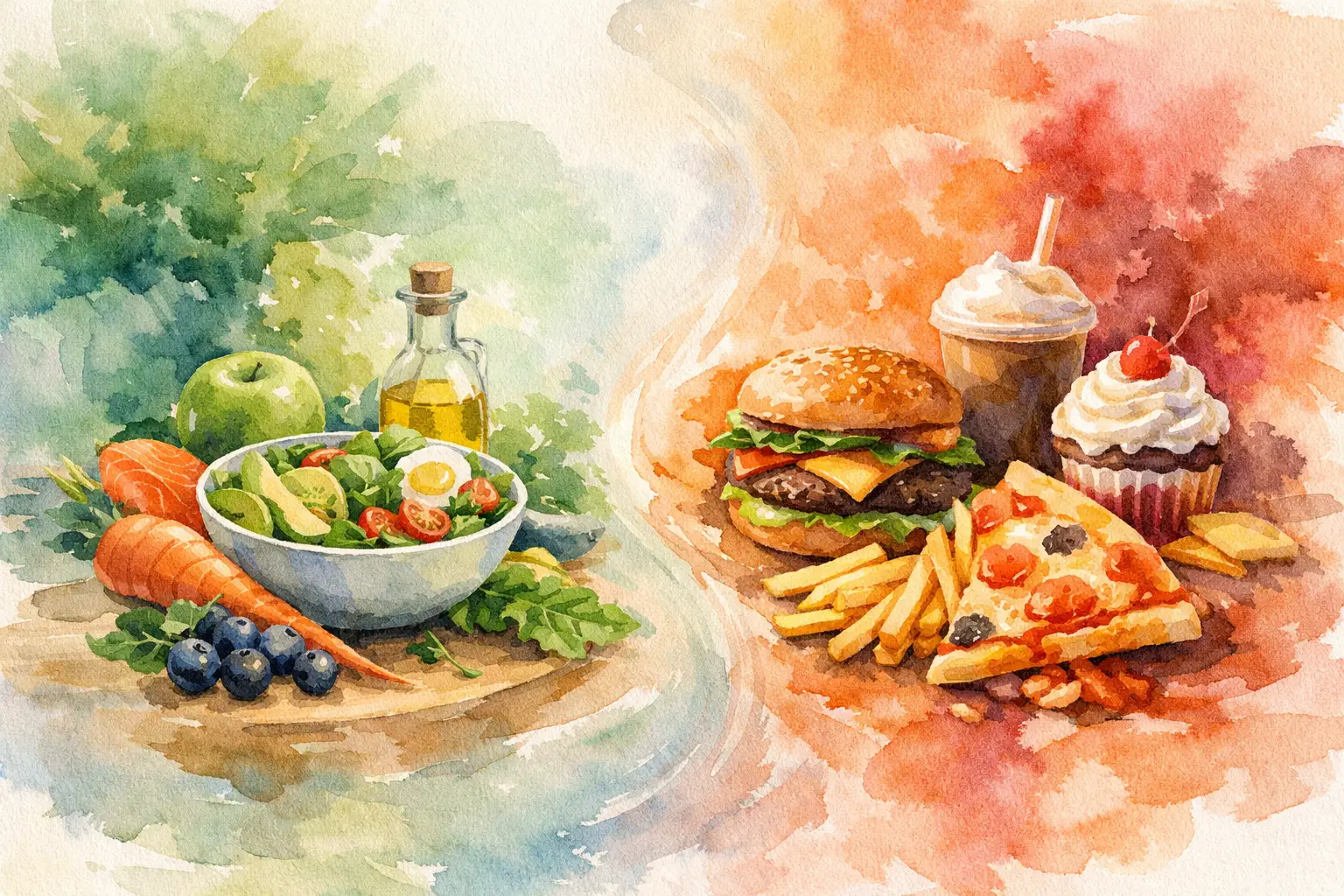
You can usually spot a crash diet by day three. Energy drops, cravings get louder, mood gets shorter, and suddenly one skipped dessert has turned into thinking about biscuits all afternoon. That is the real difference in balanced eating vs crash dieting – one works with your body and your routine, while the other tries to force fast change at a cost.
For many people, especially busy professionals, parents, and anyone managing health concerns, the appeal of rapid weight loss is easy to understand. If you have a wedding coming up, postpartum weight to lose, a stubborn scale, or blood test results that need attention, quick fixes can feel tempting. But what looks effective in the short term often creates a cycle of restriction, overeating, frustration, and weight regain.
Balanced eating vs crash dieting: what is the difference?
Balanced eating means giving your body the right amount of energy and nutrition from a mix of foods you can realistically sustain. It includes carbohydrates, protein, healthy fats, fibre, fluids, and room for enjoyment. It does not require perfect eating, and it does not depend on cutting out entire food groups unless there is a medical reason.
Crash dieting is different. It usually involves sharply reducing calories, skipping meals, relying on detoxes or liquid plans, banning common foods, or following highly rigid rules that are difficult to maintain in normal life. The promise is usually speed. The problem is that your body and mind rarely respond well to extreme restriction for long.
This is where many people get confused. If a crash diet causes the scale to go down, it can seem like proof that it works. But early weight loss is often a mix of water, depleted glycogen stores, and some muscle loss – not just body fat. That matters because sustainable fat loss requires a plan you can continue long enough to protect muscle, support metabolism, and keep your habits stable.
Why crash dieting often backfires
The first issue is biological. When calorie intake drops too low, the body starts conserving energy. You may feel tired, cold, irritable, and unusually hungry. Workouts become harder, concentration dips, and sleep can suffer. If you are already balancing a demanding job, childcare, commuting, or a medical condition, this can quickly become unmanageable.
The second issue is behavioural. Extreme plans leave very little room for real life. Office lunches, family dinners, travel, social occasions, and cravings all become obstacles instead of normal parts of living. Once the plan breaks, many people feel they have failed, when in reality the plan was never built to last.
Then there is the rebound effect. After a period of restriction, appetite often increases strongly. This is not a lack of willpower. It is a predictable response. The body is trying to recover from deprivation, which can lead to overeating and guilt. Over time, this stop-start pattern can be more damaging than never dieting at all.
What balanced eating looks like in real life
Balanced eating is not glamorous, and that is exactly why it works. It is built around meals that keep you satisfied, support your health markers, and fit your schedule. A typical day might include a proper breakfast with protein and fibre, a practical lunch you can manage during work, an evening meal with vegetables and a good source of protein, and snacks that stop you arriving at dinner absolutely starving.
It also respects individual needs. Someone with PCOS, thyroid concerns, diabetes, high blood pressure, pregnancy-related nutrition needs, or a fitness goal should not be following the same generic diet from social media. A balanced approach adjusts to health history, food preferences, cultural eating patterns, and daily routine.
That flexibility matters. If you live in a city, spend hours commuting, eat some meals out, and manage a household on top of work, your nutrition plan has to fit reality. Sustainable progress does not come from eating boiled vegetables in isolation. It comes from learning how to build consistent meals, manage portions, plan ahead, and recover quickly when life gets busy.
Balanced eating vs crash dieting for weight loss
If your goal is weight loss, balanced eating may seem slower at first glance. But slower is not the same as ineffective. In fact, it is often the reason results last.
A balanced weight-loss plan creates a moderate calorie deficit without draining your energy. That means you can continue exercising, stay productive at work, manage hunger better, and maintain your social life. You are also more likely to preserve lean muscle mass, which supports strength, shape, and long-term metabolic health.
Crash dieting can produce a dramatic initial drop, but the trade-off is often exhaustion, cravings, muscle loss, and regain. If every attempt ends with you putting weight back on, the issue is not your discipline. The issue is the method.
For many adults, especially those who have dieted repeatedly, the smartest question is not, “How fast can I lose weight?” It is, “What approach will still be working for me three months from now?” That is where balanced eating wins.
The mental side matters too
Food is not only fuel. It is also culture, comfort, routine, celebration, and convenience. Any plan that ignores that will struggle.
Crash diets often create an all-or-nothing mindset. Foods become “good” or “bad”, and one indulgent meal can feel like a disaster. This type of thinking increases stress around eating and can make people more disconnected from hunger, fullness, and satisfaction.
Balanced eating encourages a healthier relationship with food. You can enjoy a family meal, go out for dinner, celebrate a birthday, and still stay on track overall. That reduces guilt and makes consistency much easier. When people feel less restricted, they often make better choices more naturally.
This is especially important for families and working adults. If your plan makes you too tired to engage with your children, too stressed to attend a social event, or too hungry to focus on work, it is not supporting your health in a meaningful way.
When structure helps and when it becomes harmful
Some structure is useful. Most people do better with a plan than with vague advice to “eat healthy”. Meal timing, protein targets, portion guidance, shopping lists, and practical recipes can all improve consistency.
But structure becomes harmful when it turns into punishment. If a plan leaves no room for preference, appetite changes, medical needs, or occasional flexibility, it stops being supportive. A good nutrition approach should guide you, not trap you.
This is one reason personalised support matters. The best plan for a young gym-goer in Bangalore will not be identical to the best plan for a pregnant woman in Delhi, a professional with diabetes in Mumbai, or a parent trying to improve the whole family’s eating habits. Results come faster when the plan fits the person.
How to move away from crash dieting
If you are tired of starting over every Monday, start by eating enough at regular intervals. Skipping breakfast and then overeating at night is common, but it is rarely helpful. Build meals around protein, fibre-rich carbohydrates, vegetables, and healthy fats. Keep nourishing snacks available so hunger does not build into cravings.
Next, stop chasing perfection. One heavy meal does not undo progress, just as one salad does not create it. Focus on patterns across the week. Better consistency with ordinary meals will outperform extreme restriction every time.
It also helps to set outcome goals beyond the weighing scale. Better energy, improved digestion, steadier blood sugar, stronger workouts, improved sleep, and healthier lab values are all signs that your body is responding well. When these markers improve, sustainable weight change usually follows more naturally.
At LivFit Today, this is the difference we encourage clients to understand early. Fast results are attractive, but maintainable results are what change health, confidence, and daily life.
So which approach actually supports long-term health?
Balanced eating does, because health is not built in a week. It is built through repeatable choices that support your metabolism, hormones, energy, and relationship with food over time. Crash dieting asks your body to tolerate extremes. Balanced eating asks your habits to improve steadily.
That does not mean progress is always linear. There will be busy weeks, celebrations, travel, stress, and phases where motivation dips. But when your nutrition is grounded in balance rather than punishment, getting back on track feels simple instead of overwhelming.
If you want results that last, choose the approach you can live with after the initial excitement wears off. The best diet is not the harshest one. It is the one that helps you feel better, function better, and stay consistent long enough to see real change.