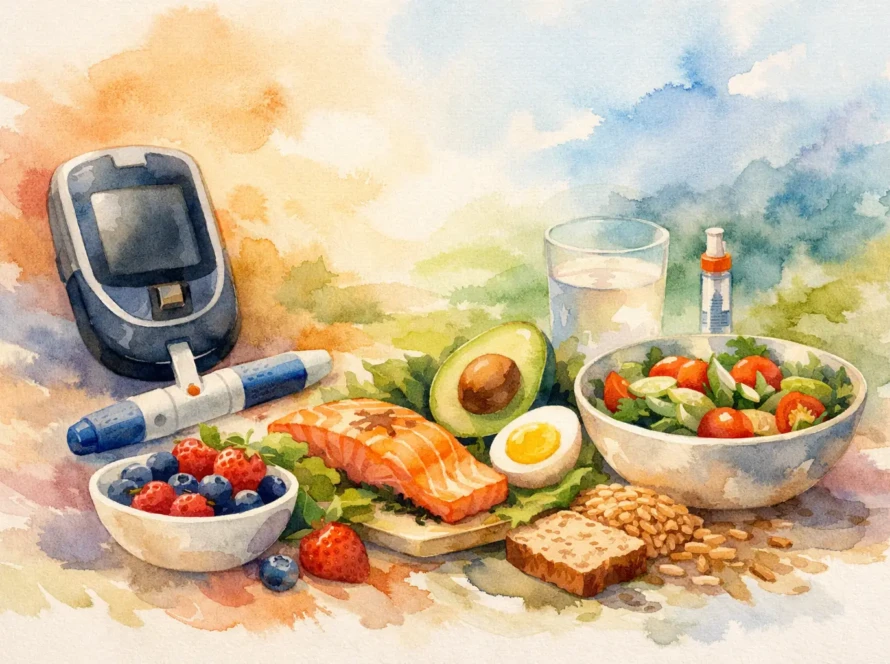
If your periods are irregular, your weight has become harder to manage, and every online tip seems to tell you to cut out another food group, you do not need more confusion. You need a PCOS nutrition support plan that makes sense for your body, your routine, and your goals.
PCOS is not just a weight issue, and it is not solved by starvation diets. For many women, it involves a mix of insulin resistance, cravings, fatigue, acne, digestive discomfort, poor sleep, and a frustrating feeling that their body is not responding the way it used to. That is why nutrition support has to go beyond calories and focus on stabilising blood sugar, improving meal quality, and building habits you can actually follow on a busy schedule.
What a PCOS nutrition support plan should do
A good plan should help regulate energy, support better insulin response, reduce overeating, and make meals feel predictable instead of stressful. It should also be flexible enough for office days, social meals, travel, and family eating.
Many women with PCOS have been told to simply lose weight. That advice is incomplete. Weight changes may help symptoms for some people, but the route matters. Extreme restriction often increases cravings, mood swings, and inconsistency. A better approach is to improve the quality and timing of meals so that your hormones are working with you, not against you.
This is where structure matters. When meals are heavily refined, low in protein, or skipped for long hours, blood sugar tends to swing more sharply. That can show up as tiredness, constant hunger, sweet cravings, and snacking late in the day. A balanced nutrition plan aims to calm that pattern.
The foundations of a PCOS nutrition support plan
The first priority is not cutting everything out. It is building meals that are more balanced.
Start with protein at each main meal. Eggs, paneer, curd, dal, chicken, fish, tofu, Greek yoghurt, sprouts, and pulses can all help. Protein supports fullness and slows down the rise in blood sugar after eating. If breakfast is usually just toast, cereal, or fruit, that is often the first place to improve.
The second focus is fibre. Vegetables, salads, fruit, oats, chia seeds, beans, lentils, and whole grains can make meals more satisfying and support better appetite control. Fibre also helps when digestion feels sluggish, which can happen when stress, sleep, and irregular eating are all in the mix.
Carbohydrates do not need to be feared, but they do need to be chosen wisely. For PCOS, it often helps to shift from large portions of refined carbs to better-quality options such as oats, millets, brown rice, quinoa, sweet potato, whole wheat roti, or mixed grain preparations. Portion size still matters, but quality matters too.
Healthy fats have a place as well. Nuts, seeds, olive oil, ground flaxseed, avocado, and fatty fish can help make meals more balanced and satisfying. The goal is not a low-fat plan. The goal is a well-built plate.
How to build meals that support hormone balance
A practical way to eat for PCOS is to think in combinations rather than restrictions. A meal built only around carbs is more likely to leave you hungry quickly. A meal with protein, fibre, and healthy fat tends to keep you steadier.
For breakfast, that could mean vegetable omelette with multigrain toast, Greek yoghurt with seeds and fruit, besan chilla with curd, or overnight oats with nuts and a protein source. The exact foods can vary by preference, culture, and schedule.
Lunch and dinner work best when half the plate is vegetables, one quarter is protein, and one quarter is a quality carbohydrate. That may look like grilled fish with sautéed vegetables and rice, dal with sabzi and roti, or paneer with salad and millet khichdi. There is no single perfect meal. Consistency matters more than perfection.
Snacks can help or hurt depending on timing and content. If you go too long without eating and then reach for biscuits, crisps, or sugary drinks, energy tends to crash again. Better options include roasted chana, fruit with nuts, boiled eggs, yoghurt, hummus with veg sticks, or a small homemade snack that includes some protein.
What to reduce without becoming restrictive
A PCOS nutrition support plan usually works better when certain foods are reduced, not obsessively banned.
Sugary drinks, frequent bakery foods, heavily processed snacks, oversized dessert portions, and refined meals with very little protein can all make symptom management harder. That does not mean you can never enjoy them. It means they should not be carrying your day-to-day eating pattern.
The same goes for takeaway habits. If most weekday meals come from apps, the issue is often less about one restaurant meal and more about repeated excess oil, low fibre, poor portion control, and inconsistent meal timing. Even a few home-style meals each week can create a noticeable difference.
For some women, dairy or gluten is blamed for everything. Sometimes individual tolerance matters, especially if bloating or digestive symptoms are prominent. But not everyone with PCOS needs to remove them. Broad eliminations without a clear reason often create frustration and make the plan harder to sustain.
Why timing, sleep and stress matter
Food choices are only part of the picture. If you skip breakfast, survive on coffee, eat your first proper meal late, and then snack continuously at night, even a healthy food list will not be enough.
Meal timing can influence hunger, cravings, and energy regulation. Regular meals often work better than long gaps followed by overeating. This does not mean everyone needs the same schedule, but most people with PCOS benefit from some routine.
Sleep is another major factor. Poor sleep can increase hunger signals and reduce your ability to make good food decisions the next day. Stress does something similar. That is why women who say, “I know what to eat, I just cannot stick to it,” are often dealing with more than a lack of discipline.
A plan that fits real life has to account for work pressure, commuting, family routines, and emotional eating triggers. Sometimes the most effective nutrition strategy is not a stricter meal plan. It is preparing two reliable breakfasts, carrying one balanced snack, and preventing the evening crash that leads to overeating.
When weight loss is the goal
Many women with PCOS do want weight loss, and that is completely valid. But the method should support hormone health, not fight against it.
A moderate calorie deficit, enough protein, consistent movement, and realistic meal structure tend to work better than aggressive dieting. If your plan leaves you exhausted, obsessed with food, and unable to manage social eating, it is not a strong long-term strategy.
Progress may be slower than expected, especially if insulin resistance, poor sleep, stress, thyroid issues, or long-standing eating patterns are involved. That does not mean nothing is working. In PCOS, better progress is often measured not only by the scales, but also by waist measurements, reduced cravings, improved cycle regularity, steadier energy, and better lab markers.
Personalisation is where results improve
No two women with PCOS present in exactly the same way. One may struggle more with acne and irregular periods. Another may deal with weight gain, prediabetes, and late-night hunger. Someone else may be vegetarian, work shifts, and need a plan that fits office lunches and weekend family meals.
That is why a personalised approach is so valuable. A well-designed plan considers your medical history, blood reports, cultural food preferences, cooking routine, and realistic capacity for change. It also adjusts as your symptoms, schedule, and goals change.
For busy women in cities such as Delhi, Mumbai, and Bangalore, convenience matters. Healthy eating has to work on office days, commute-heavy days, and days when motivation is low. At LivFit Today, the focus is not on punishing rules. It is on structured support that helps you eat in a way that is balanced, sustainable, and measurable.
A better way to start your PCOS nutrition support plan
Do not begin by trying to fix everything in one week. Start where the friction is highest. If mornings are chaotic, improve breakfast. If evenings are your weak point, build a stronger lunch and planned snack. If weekends undo the week, work on flexibility instead of perfection.
The women who do best with PCOS nutrition are rarely the ones following the strictest plan. They are usually the ones following a plan they can repeat. That means eating enough protein, improving fibre, reducing refined foods, keeping meals regular, and making room for real life.
Your body does not need punishment. It needs steady support, clear structure, and nutrition that works with your hormones rather than against them. Start there, and the changes tend to become more realistic and more lasting.