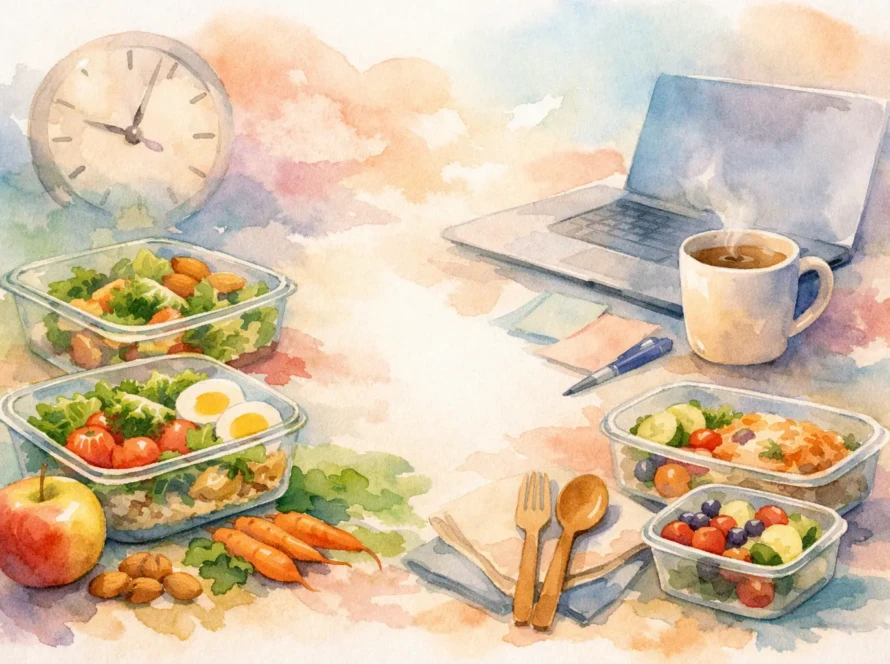
You finish a stressful work call, walk into the kitchen, and suddenly biscuits, crisps, or leftover dessert feel impossible to ignore. Hunger is not really the issue, but food still seems like the quickest way to feel better. If you are trying to work out how to stop emotional eating, the first thing to know is this: you do not lack willpower. Emotional eating is usually a response pattern, not a character flaw.
For many adults, especially those balancing work, family life, health concerns, and constant mental load, emotional eating can become automatic. You feel stressed, tired, bored, lonely, frustrated, or even rewarded after a long day, and food becomes the response. The good news is that this pattern can change. Not through harsh dieting or guilt, but through understanding what is driving it and building practical habits that actually fit real life.
What emotional eating really looks like
Emotional eating is when food is used to soothe, distract, numb, celebrate, or cope rather than to satisfy physical hunger. It does not always look dramatic. Sometimes it is evening snacking after a long commute. Sometimes it is ordering extra takeaway after a difficult day. Sometimes it is repeatedly picking at food while cooking, working, or scrolling on your phone.
One reason this pattern feels hard to break is that it often gives temporary relief. Food can create comfort in the moment, especially foods high in sugar, salt, or fat. But that relief is short-lived, and it is often followed by discomfort, guilt, bloating, low energy, or frustration about falling off track again.
That cycle is exhausting. It can also interfere with weight goals, blood sugar control, digestion, sleep, and confidence around food.
How to stop emotional eating by spotting the real trigger
If you want lasting change, do not start by banning foods. Start by identifying what tends to happen just before the urge to eat.
A craving may feel random, but it usually has a trigger. Stress is one of the biggest. So is under-eating earlier in the day, which makes emotional eating stronger by the evening because genuine hunger and emotional vulnerability arrive together. Poor sleep, long gaps between meals, conflict at home, workplace pressure, social isolation, and hormonal shifts can all play a part.
Try asking yourself three quick questions before eating: Am I physically hungry? What am I feeling right now? What do I actually need?
Sometimes the answer is food. If you skipped lunch and now want everything in sight, your body is asking for fuel. But if you ate recently and still feel a strong pull towards specific comfort foods, the need may be stress relief, rest, distraction, or emotional release.
That difference matters. It helps you respond more accurately instead of blaming yourself.
Physical hunger and emotional hunger are not the same
Physical hunger usually builds gradually. You may notice an empty stomach, lower energy, irritability, or difficulty concentrating. Most foods sound reasonably appealing when you are truly hungry.
Emotional hunger tends to feel more sudden and specific. It often creates urgency. You do not just want food, you want a particular food, and you want it now. It is also more likely to show up after a stressful event or at certain predictable times, such as late evening.
This is not a perfect rule every time, but it is a useful one. The more often you pause and notice the difference, the easier it becomes to interrupt the habit loop.
The hidden reason dieting often makes it worse
Many people trying to stop emotional eating also try to be very strict. They cut out favourite foods, delay meals, ignore hunger, or follow plans that are too rigid for their routine. That usually backfires.
Restriction increases both physical and mental hunger. When your eating pattern feels deprived, comfort foods become more tempting, cravings feel louder, and one unplanned snack can quickly turn into a full binge-and-guilt cycle. This is why sustainable nutrition works better than all-or-nothing dieting.
A balanced approach is far more effective. Regular meals, enough protein, fibre-rich foods, planned snacks, and room for enjoyable foods can reduce the intensity of emotional eating because your body no longer feels underfed or on edge.
Practical ways to stop emotional eating without extreme rules
There is no single trick that fixes emotional eating overnight. What works best is a combination of awareness, structure, and self-management.
1. Eat regularly through the day
One of the simplest ways to reduce emotional eating is to stop arriving at the evening absolutely drained and ravenous. Aim for balanced meals at consistent times. Include protein, wholegrain carbohydrates, healthy fats, and vegetables where possible.
This does not need to be perfect. It needs to be reliable. A body that is fed properly is less likely to demand quick comfort from ultra-processed foods later.
2. Build a pause before the habit kicks in
You do not need to suppress every craving. You need enough pause to choose your response. Even five minutes can help.
Try stepping away from the kitchen, drinking water, taking a few slow breaths, or writing down what happened just before the urge. If you still want the food after that pause, you can eat it more consciously. The goal is not denial. The goal is reducing automatic behaviour.
3. Create other ways to regulate stress
If food is your main coping tool, removing it without replacing it will feel miserable. You need alternatives that are realistic, not idealistic.
That might mean a ten-minute walk after work, calling a friend, stretching, showering, journalling, listening to music, or simply sitting quietly before heading into the evening rush. Different people need different tools. The right one is the one you will actually use.
4. Make your environment work for you
Willpower is less reliable when you are exhausted. Your routine and surroundings matter.
Keep easy, balanced options visible and accessible. Portion out snack foods instead of eating from large packets. If late-night snacking is your weak spot, create a clear kitchen closing routine after dinner. Small changes in your environment can reduce the number of decisions you need to make when energy is low.
5. Drop the guilt after eating
This is where many people get stuck. They emotionally eat, feel guilty, promise to be extra strict tomorrow, then repeat the cycle.
Guilt rarely improves behaviour. Reflection does. Instead of thinking, I ruined everything, ask, What was going on for me today? Was I stressed, underfed, overtired, or emotionally overwhelmed? That mindset keeps you in problem-solving mode rather than self-punishment.
How to stop emotional eating when evenings are hardest
For busy professionals and parents, evenings are often the danger zone. Decision fatigue is high. Structure disappears. Stress catches up. You finally sit down, and food becomes the reward.
If this sounds familiar, focus on your evening routine rather than relying on motivation. Eat a proper lunch, have a planned afternoon snack if needed, and decide your dinner in advance. After dinner, give yourself a non-food transition into the rest of the night. That could be herbal tea, a short walk, skin care, reading, or laying out things for the next day.
The point is to create a different signal for comfort and closure. If food is currently filling that role, another repeatable ritual can gradually take its place.
When emotional eating is linked to deeper issues
Sometimes emotional eating is mainly about habit and stress. Sometimes it is tied to anxiety, low mood, body image distress, burnout, or long-term dieting history. If your eating feels chaotic, secretive, or regularly out of control, extra support can make a real difference.
This is especially true if you are also managing PCOS, thyroid concerns, diabetes, postpartum changes, or weight fluctuations that affect your confidence and routine. In those cases, a personalised plan is usually more helpful than generic diet advice because the triggers are not just emotional. They are physical, practical, and psychological at the same time.
Working with a qualified nutrition professional can help you identify patterns, improve meal structure, and create a realistic strategy that supports both health goals and your relationship with food. At LivFit Today, that kind of personalised, sustainable support is exactly where progress begins.
Progress is not about never eating emotionally again
Trying to stop emotional eating completely can become another form of pressure. Real progress usually looks quieter than that. You notice your triggers earlier. You recover faster after an off day. You eat more consistently. You feel less out of control around food. You stop turning one difficult evening into a difficult week.
That is still success.
There will be days when stress wins. That does not mean you have failed. It means you are human, and habits take time to change. The aim is not perfection at every meal. It is building a way of eating that supports your body, your mind, and your actual life.
Start with one shift you can keep this week. A proper breakfast. A pause before snacking. A more balanced lunch. A kinder response after a setback. Small changes done consistently often achieve far more than dramatic ones that last three days.