Most people do not struggle because they lack discipline. They struggle because they are trying to follow plans that do not fit real life. If you are searching for how to lose fat sustainably, the answer is rarely a harsher diet or a tougher workout plan. It is a smarter approach that works with your routine, your food preferences and your body.
That matters even more if you are balancing long workdays, family responsibilities, social meals or health concerns such as thyroid issues, insulin resistance or high blood pressure. Sustainable fat loss is not about eating as little as possible for a few weeks. It is about creating a calorie deficit you can actually live with while protecting your energy, muscle mass and relationship with food.
What sustainable fat loss really means
Fat loss becomes sustainable when your method is realistic enough to continue beyond the first burst of motivation. That means no starvation diets, no cutting out entire food groups without reason and no routine so rigid that one busy week destroys it.
In practical terms, sustainable fat loss usually looks like slower progress than people expect, but far better results over time. Losing fat steadily often means your hunger stays manageable, your work performance does not suffer and you do not spend every evening fighting cravings. That is a much stronger position than dropping weight quickly and then gaining it back.
There is also an important distinction between losing weight and losing fat. The number on the scale can move because of water, glycogen, digestion and hormonal changes. Fat loss is the goal if you want better body composition, improved metabolic health and changes that last.
How to lose fat sustainably without extreme dieting
The foundation is a moderate calorie deficit, not the biggest deficit you can tolerate. When people eat far too little, they often feel tired, irritable and constantly preoccupied with food. That usually leads to overeating later, followed by guilt and another attempt to be stricter. It is a cycle, not a solution.
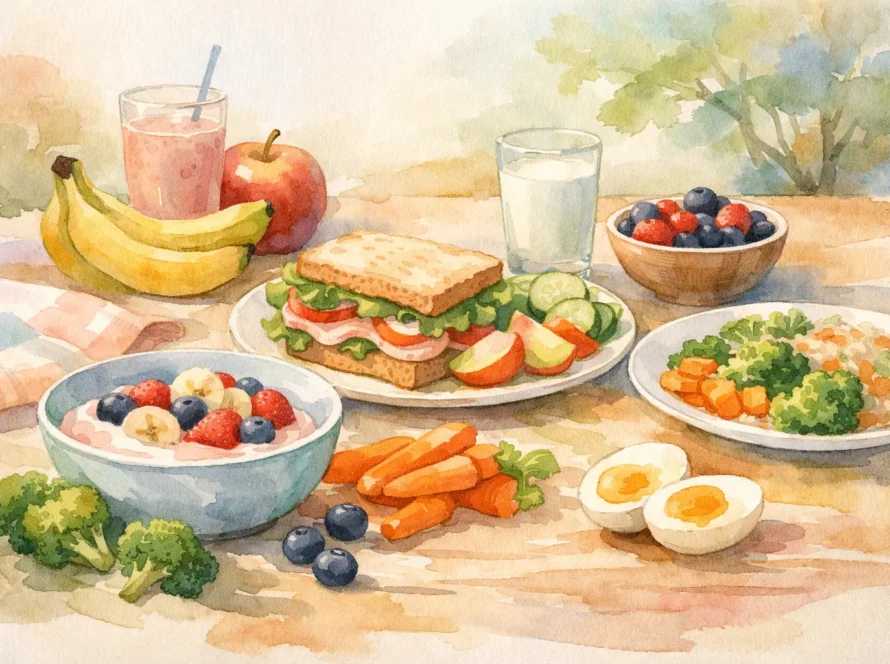
A better approach is to reduce intake in a balanced way while keeping meals satisfying. That often means building meals around protein, fibre and foods with good volume. Think dal with vegetables, curd, eggs, paneer, chicken, fish, pulses, oats, fruit, salads, roti in sensible portions and rice in amounts that fit your needs rather than being labelled good or bad.
Protein matters because it helps with fullness and supports muscle retention during fat loss. Fibre helps slow digestion and improves satiety. Together, they make it easier to stay consistent without feeling deprived.
The trade-off is that slower plans can feel less exciting. You may not see dramatic weekly changes. But dramatic is not the same as effective. A plan that gives you steady progress for three months is more valuable than one that gives you two hard weeks and then collapses.
Your habits matter more than your perfect days
Many adults eat reasonably well on calm days and struggle on stressful ones. That is why habit design matters. If your fat loss plan only works when life is quiet, it is not a strong plan.
Start with the moments that usually throw you off. Maybe you skip breakfast and overeat at lunch. Maybe evening tea turns into mindless snacking. Maybe restaurant meals on weekends undo the structure of the week. The goal is not to eliminate every challenge. It is to make each one easier to handle.
For some people, that means planning a proper breakfast with protein. For others, it means carrying a snack so they do not arrive at dinner ravenous. If late-night eating is the issue, a more filling dinner may help more than extra willpower.
This is where personalised nutrition makes a real difference. A working professional in Bangalore with long commutes needs a different strategy from a new mother in Mumbai or someone managing diabetes in Delhi. The principles stay the same, but the routine has to match the person.
The role of exercise in sustainable fat loss
Exercise helps, but it should not carry the full burden of fat loss. Many people overestimate how many calories they burn and underestimate how much they eat afterwards. That does not mean exercise is unhelpful. It means nutrition usually drives the deficit more efficiently.
Still, movement is essential for long-term success. Strength training is especially useful because it helps preserve muscle while you lose fat. That improves body composition and supports a healthier metabolism. Even two to four sessions a week can make a real difference.
Walking also deserves more credit than it gets. Regular daily movement improves energy expenditure without exhausting you. For someone with a packed schedule, increasing steps may be far more realistic than adding intense cardio every day.
The best exercise plan is one you can repeat. If you hate running, you do not need to force it. If gym sessions are hard to maintain, home workouts and brisk walks still count. Consistency wins over intensity that lasts ten days.
Why all-or-nothing thinking slows progress
One meal out does not ruin fat loss. One weekend does not erase a month of effort. The real damage usually comes from the thinking that follows: I have already messed up, so I may as well start again on Monday.
This mindset turns normal deviations into full setbacks. Sustainable progress needs flexibility. You can enjoy a family dinner, a work event or dessert and still stay on track. The key is adjusting without spiralling.
That may mean keeping the next meal normal rather than trying to compensate by starving. It may mean watching portions at a restaurant without refusing everything you enjoy. Fat loss does not require perfection. It requires more good decisions than poor ones, repeated over time.
How to make your food plan realistic
A sustainable food plan should feel structured, not punishing. It should include familiar foods, practical meal timings and enough flexibility for your social life.
For most people, this works better than trendy restrictions. You do not need expensive superfoods. You do not need to fear carbohydrates. You do need portions that match your goal, regular meals that control hunger and an eating pattern that fits your day.
A useful way to think about meals is balance. Include a clear protein source, add vegetables where possible, keep carbohydrates in suitable portions and avoid letting every meal depend on refined snacks or sugary drinks. If you enjoy treats, include them deliberately instead of pretending they do not exist and then overeating them later.
If you have a medical condition, the details matter even more. Fat loss with PCOS, diabetes, thyroid concerns or postpartum changes should be guided carefully. The right plan is still achievable, but it may need more individual attention to support both weight goals and health markers.
Tracking progress without obsession
The scale can help, but it should not be your only measure. Body weight naturally fluctuates. If you judge success by daily changes, you may feel discouraged even when you are doing well.
A better approach is to look at trends over time. Weekly averages, waist measurements, how your clothes fit, workout performance, hunger control and energy levels all give useful information. Sometimes fat loss is happening even when the scale is slower than expected.
It is also worth reviewing adherence before assuming your body is not responding. Often the issue is not that fat loss is impossible. It is that weekends, liquid calories, unplanned snacking or portion creep are quietly reducing the deficit.
That is not a reason to feel guilty. It is a reason to get honest and make the next adjustment.
When support makes the difference
Many people know the basics and still struggle to apply them consistently. That is where expert support can change things. A personalised plan helps you move beyond generic advice and focus on what will work for your schedule, your preferences and your health needs.
At LivFit Today, this is exactly how we approach results. Not by handing out rigid diet charts, but by building maintainable nutrition strategies that support measurable fat loss and healthier living. For some clients, the breakthrough comes from structure. For others, it comes from accountability, better meal timing or finally understanding why previous diets failed.
If you have been stuck in the cycle of starting over, take that as a sign to simplify, not to punish yourself more. Sustainable fat loss is built through repeatable choices, calm consistency and a plan you can still follow on your busiest week. Start there, and the results have a much better chance of staying with you.